Laboratory of Computational Biology

Laboratory of Computational Biology

Seoul National University
Laboratory of Computational Biology

Laboratory of Computational Biology

Seoul National University
Laboratory of Computational Biology

Laboratory of Computational Biology

Seoul National University

Publications+ more

(2026) Rejuvenation-Responsive and Senolytic-Sensitive Muscle Stem Cells Unveiled by CD200 and CD63 in Geriatric Muscle, eLife
(2025) Comprehensive discovery of m6A sites in the human transcriptome at single-molecule resolution, Nature Communications
(2025) Mitochondrial fumarate inhibits Parkin-mediated mitophagy, Molecular Cell
(2025) N6-methyladenosine modification of HCMV IE1 transcript promotes the repressive state of viral genome to achieve latent infection, Proceedings of the National Academy of Sciences U.S.A.
(2024) Circular RNAs trigger nonsense-mediated mRNA decay, Molecular Cell
(2024) Muscle-resident mesenchymal progenitors sense and repair peripheral nerve injury via the GDNF-BDNF axis, eLife
(2024) Big data and deep learning for RNA biology, Experimental & Molecular Medicine
(2023) An interaction between eIF4A3 and eIF3g drives the internal initiation of translation, Nucleic Acids Research
(2023) AIVariant: a deep learning-based somatic variant detector for highly contaminated tumor samples, Experimental & Molecular Medicine
(2023) Determinants of Functional MicroRNA Targeting, Molecules and Cells

Welcome to the
"Laboratory of Computational Biology"

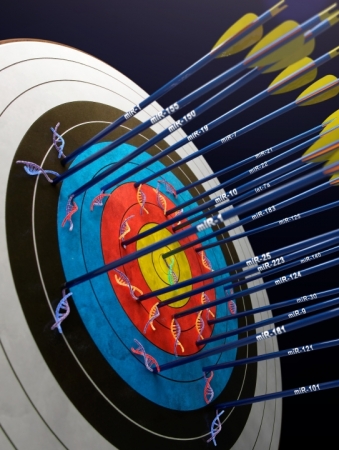
Recent advances in high-performance next generation sequencing technology and its wide application have led to the emergence of “bio big data” and have revolutionized the field of biology. In order to obtain meaningful biological information from the massive amount of data, analytical approaches based on computational and statistical methods were necessary which led to the development of computational biology as a new discipline. By applying the analytical techniques of computational biology, our lab investigates biological questions in a diverse array of interesting research areas. Mainly, our lab utilizes large-scale transcriptome and proteome data to better understand the gene regulatory network controlled by the microRNAs and the RNA-binding proteins. More recently, our lab has made efforts to detect driver mutations linked to cancer development using massive-scale cancer genomics data. Research area: Computational Biology and Bioinformatics - Large-scale sequence analysis - Bio big data: genome, transcriptome, and proteome Noncoding Genome - MicroRNA targeting and biogenesis- Other non-coding RNAs- RNA-binding proteins- Alternative mRNA splicing and alternative promoters Cancer Genomics- Whole exome and genome analysis- Development of cancer genome analysis software (Details in ‘Research’ board)