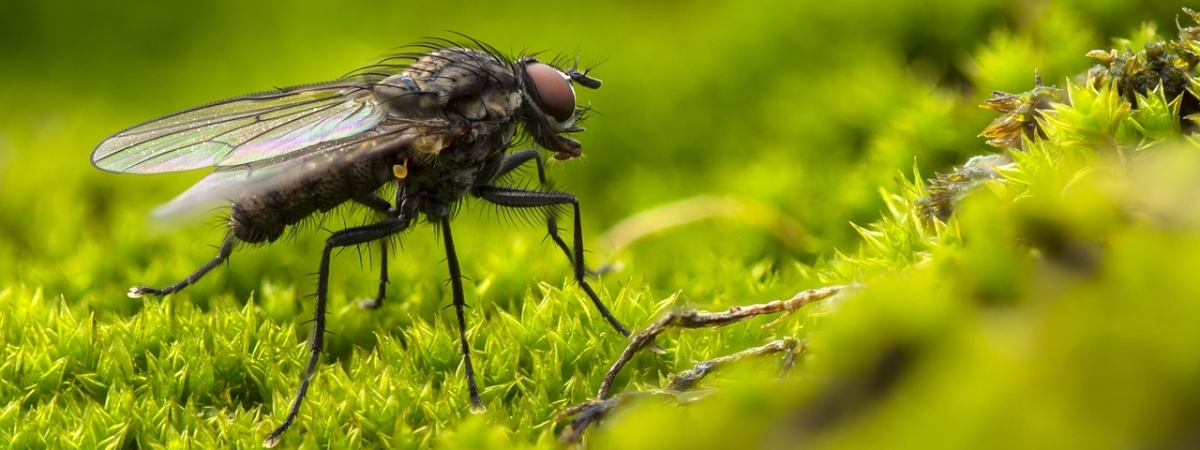

Evolutionary study on phylogenomics and functional genomics for the decomposer flies (Diptera)

Evolutionary study on phylogenomics and functional genomics for the decomposer flies (Diptera)

NRF
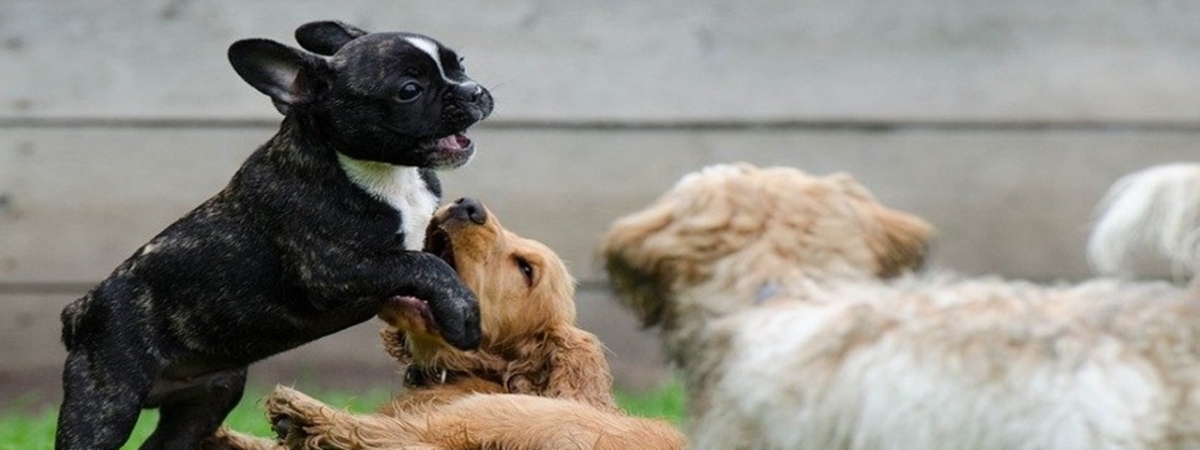
Comparative Genomics of Dog and Human Ageing

Comparative Genomics of Dog and Human Ageing

SRC
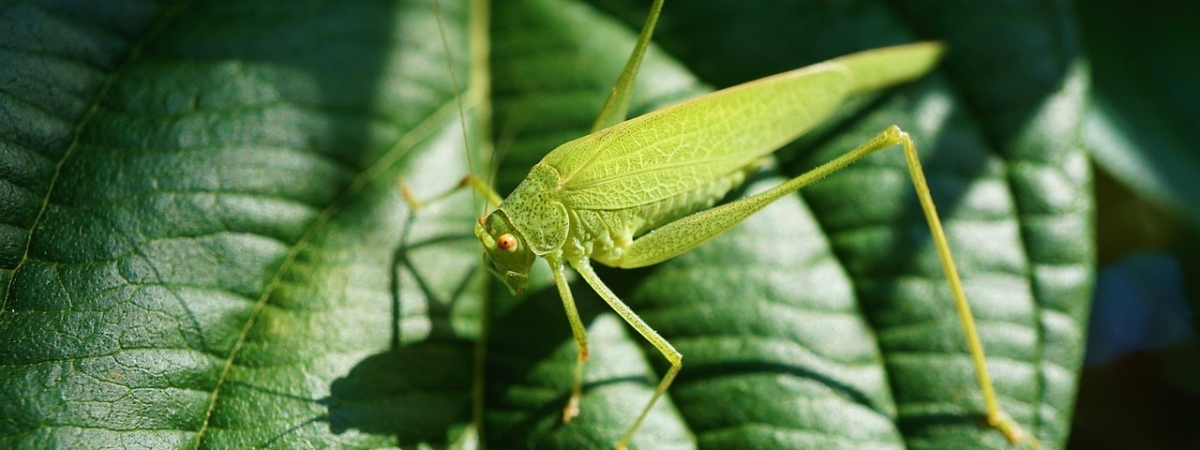
Evolution of hearing and singing in katydids, crickets, and allies

The evolution of hearing and singing in katydids, crickets, and allies

NSF
Ecological investigation of insect fauna in DMZ

Ecological investigation of insect fauna in DMZ

Institute for Peace and Unification Studies (IPUS)

Publications+ more

(2026) First new species of the Neotropical genus Lactistomyia Melander, 1902 (Diptera, Hybotidae) from the Palearctic Region, ZooKeys
(2026) Chromosome-Scale Reference Genome Assemblies for Two Anoplophora Longhorned Beetle Species (Coleoptera: Cerambycidae), Genome Biology and Evolution
(2025) 개의 진화적 발자취: 늑대에서 반려견으로의 여정, Journal of Biological Evolution
(2025) Reply to: Uncertainties in the phylogeny and biogeography of cave crickets, Communications Biology
(2025) Preliminary Study on Host Use and Phylogenetic Analysis of Corethrella nippon in Taiwan, Ecology and Evolution
(2025) Diverse breeds, diverse lifespans: understanding longevity in domestic dogs, Journal of Veterinary Science
(2025) New records of Macrocera Meigen 1803 (Diptera, Keroplatidae) from the Korean Peninsula with description of a new species, Zootaxa
(2025) First records of the genus Acerocnema Becker (Diptera: Scathophagidae) from South Korea, with a new species and a newly recorded species using DNA barcodes, Zootaxa
(2025) Unravelling the evolution of mycetophagy and phytophagy in fungus weevils (Curculionoidea: Anthribidae): Phylogenomic insights into Anthribinae paraphyly and tribal non-monophyly, Systematic Entomology
(2025) Genome-wide statistical evidence elucidates candidate factors of life expectancy in dogs, Molecules and Cells

Welcome to the
"Laboratory of Evolution and Phylogenomics"

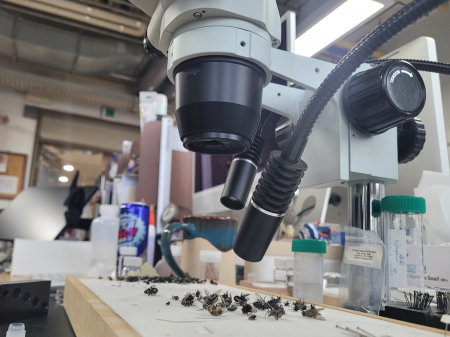
The technological advancement of bioinformatics and computational resources has initiated a new era in biosystematics and biodiversity research. The concept of biosystematics has been continually expanded and current systematic study now proceeds through a synthesis of genomics and bioinformatics such as phylogenomics. Shin lab is studying phylogenomics and evolution using various insect taxa. Our lab’s research program is across the spectrum of systematic study – from taxonomy to phylogenomics. The scientific curiosities in my lab are connected through taxonomic information from functional genomics and comparative genomics – to phylogenetic and phylogenomic comparisons that provide context for evolutionary hypothesis tests, classification, and macroevolutionary analyses.

Biodiversity is the primary source of evidence on evolution, and the description and explanation of biodiversity data, its patterns, causes and dynamics are the driving force behind our lab’s insect systematics research program. Biodiversity science is no longer limited within the boundaries of classification or taxonomy, but requires inputs from molecular biology, computational analysis, and digitalization databases. Morphological and biological observations provide evolutionary hypotheses that allow us to seek correlations in and between taxonomic groups.